A chimney should come with a paper trail
When you buy a house with a fireplace, you inherit every decision earlier owners made about it: the insert someone added years ago, the crown patched after a quake, the gas line run without anyone checking the vent. The house cannot tell you which of those were done properly. Paperwork can. This post lists the documents we suggest buyers in San Dimas ask for, and the inspection that fills the gaps when those documents do not exist.
Document one: a recent Level 2 report
The chimney standard ties its deeper inspection to a change of ownership. A Level 2 records the full flue on camera and looks at the stack in the attic and on the roof. If the seller already holds one from the last few months, read it closely and ask whether anything has changed since. If not, the buyer can order one; ours is $405.
When you read an existing report, check four things:
- The date and the address appear on every page.
- There are stills from inside the flue, not only from the firebox.
- The findings separate safe items from repairs.
- The inspection level is stated plainly.
A report missing any of these leaves questions the next inspector will raise anyway.
Document two: permits for inserts, stoves and rebuilds
Inserts with gas lines, wood stoves and rebuilt chimneys are usually permitted work in this region. Ask the seller for the permit and its final sign-off. If they cannot find it, the city's building department can often confirm what is on file for the address. An insert with no record and no liner visible at the top is a common finding on San Gabriel Valley sales, and it changes what that fireplace is worth to you.
Document three: the appliance manual and label
Every listed insert, stove and factory-built fireplace carries a metal label and came with a manual. The label gives the model and the listing; the manual gives the clearances and the venting it was tested with. Ask for the manual. If it is lost, we read the label during the inspection and note the model in the report so a copy can be tracked down.
Document four: proof of a spark screen
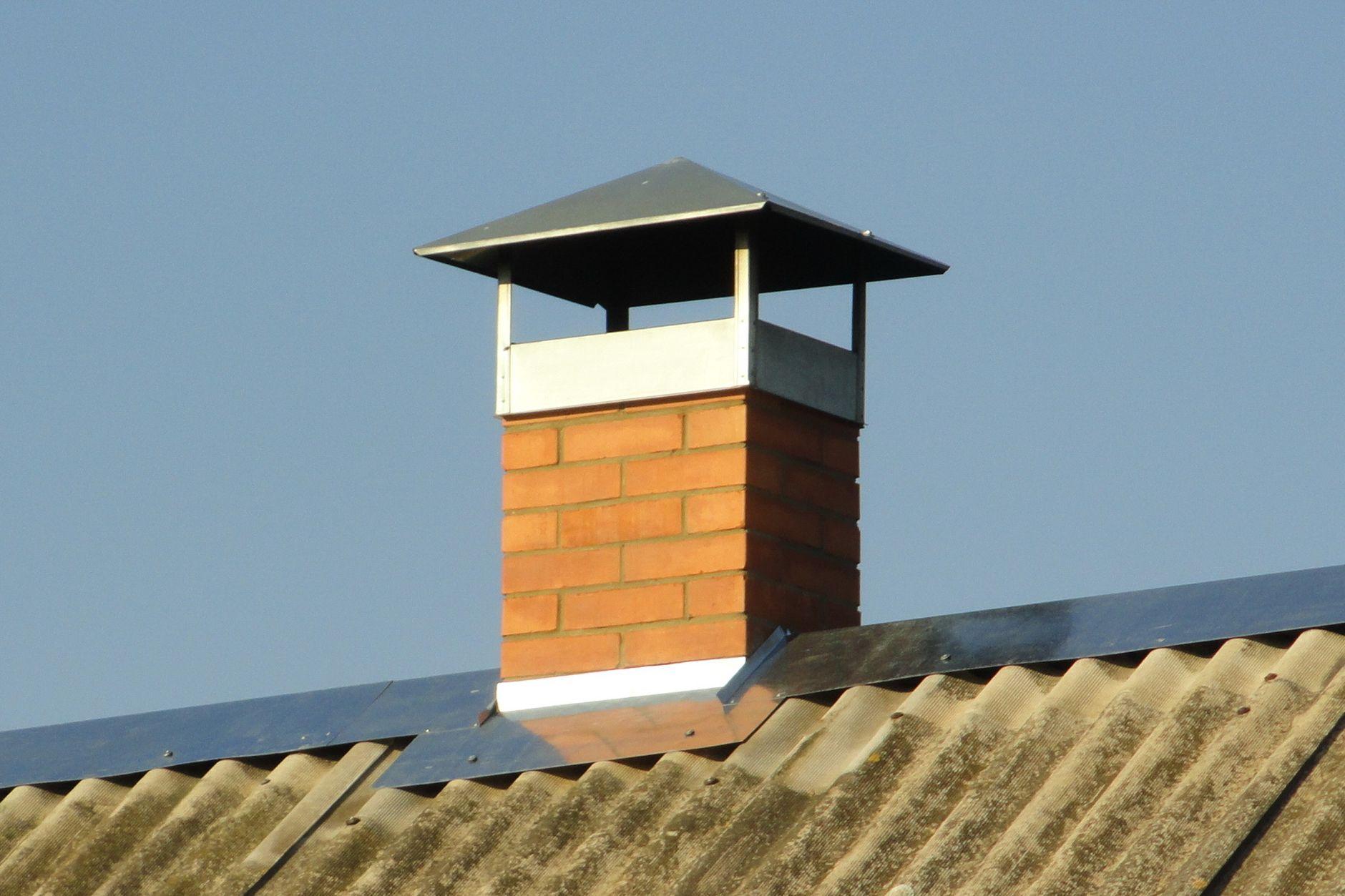
San Dimas sits against the foothills, and an insurer writing a policy near the brush may ask whether the chimney has a spark arrestor. A dated photo of the cap with its screen answers that. Our Level 2 report includes one, taken from the roof.
Document five: a record of past repairs
Ask the seller for receipts or reports from any chimney work done during their ownership: a sweep, a new cap, a crown repair, a leak fix. Dates matter more than amounts. A chimney swept every year and capped recently has a different history from one nobody has touched since the house was last sold, and the gap shows up as soot, water staining or a missing screen on the day of the inspection.
If the house changed hands after the 1994 quake and the records start later, ask whether anyone looked at the chimney after that event. Many stacks in the San Gabriel Valley were repaired quietly, some well and some not, and a rebuilt top with no permit behind it is worth knowing about before you own it.
What decides your next step
The documents you gather point toward a decision:
- A recent Level 2, permits on file, manual in hand: the earlier report may serve, as long as the fireplace has not been changed, damaged or shaken since. If you are unsure, ask us.
- A report but no permits for an insert or rebuild: order a Level 2 and ask the city what is on record.
- No report at all: a Level 2 is the standard's answer for a sale.
- A report listing structural items: get those repairs priced while you can still negotiate; our up to code repair page shows which fixes have published prices.
Order a Level 2 for the house you are buying, and list the names that should receive the report in the message box.
Who receives the file
Whoever pays for the visit decides where the file goes. Most buyers add their agent; some add the seller's side so a repair request can move quickly. Our home sale page lays out the usual recipient lists, and agents representing the seller will find the listing side on our page for agents.
If the purchase is a condo or townhouse, the HOA documents decide who maintains the stack, the crown and the cap. The association may hold its own chimney records; our HOA page explains what a board usually keeps.
What the inspection day looks like for a buyer
You do not need to attend, though many buyers like to. We need the fireplace area clear, a route to the roof and the attic hatch open. The visit ends with photos, camera stills and a finding list, sent to every name on your list. If something needs a price, the file says whether we have a published figure or will write one after measuring.
Buying in the towns nearby
Purchases in Glendora, Pomona and Baldwin Park raise the same paperwork questions, with local flavor. Glendora's foothill homes bring the spark screen to the front. Pomona's older brick chimneys often have no liner record at all. Baldwin Park's tract homes frequently have factory-built fireplaces, where the label and manual matter most.
For the deeper reasons behind a liner or a rebuild finding, see When Code Calls for a New Liner and Rebuild or Repair: Permit Rules.
To put the chimney's paperwork in order before you sign, reach us through the contact page with the address and the agent handling your side.
Want the Rule Read for Your Chimney?
Stafford Chimney Company inspects against NFPA 211, prices repairs on paper and handles city permits for inserts and rebuilds. Requests come in from San Dimas, Glendora, Pomona, Baldwin Park and the rest of our coverage through the contact form.