The liner is the part the standard cares about most
Ask a fire investigator how a chimney fire reaches the house framing and the answer is usually the same: through a gap in the flue liner. The liner is the inner wall that holds heat and exhaust inside a sealed path, so neither reaches the masonry or the studs next to it. NFPA 211 treats it as required for a masonry chimney, not an extra. When it is cracked, missing or the wrong size for the appliance it serves, the chimney falls short of the standard even if the outside looks perfect.
Around San Dimas most masonry chimneys built from the 1940s through the 1970s were lined with clay tile. Clay works well until it breaks. Movement from a quake, a chimney fire, or decades of heating and cooling can split a tile or open the joints between tiles, and from the hearth none of it shows.
Four situations that point to relining
- A cracked or shifted tile on camera. The Level 2 inspection, $405 here, records the whole flue. A split tile or an offset joint is the most common reason we recommend relining.
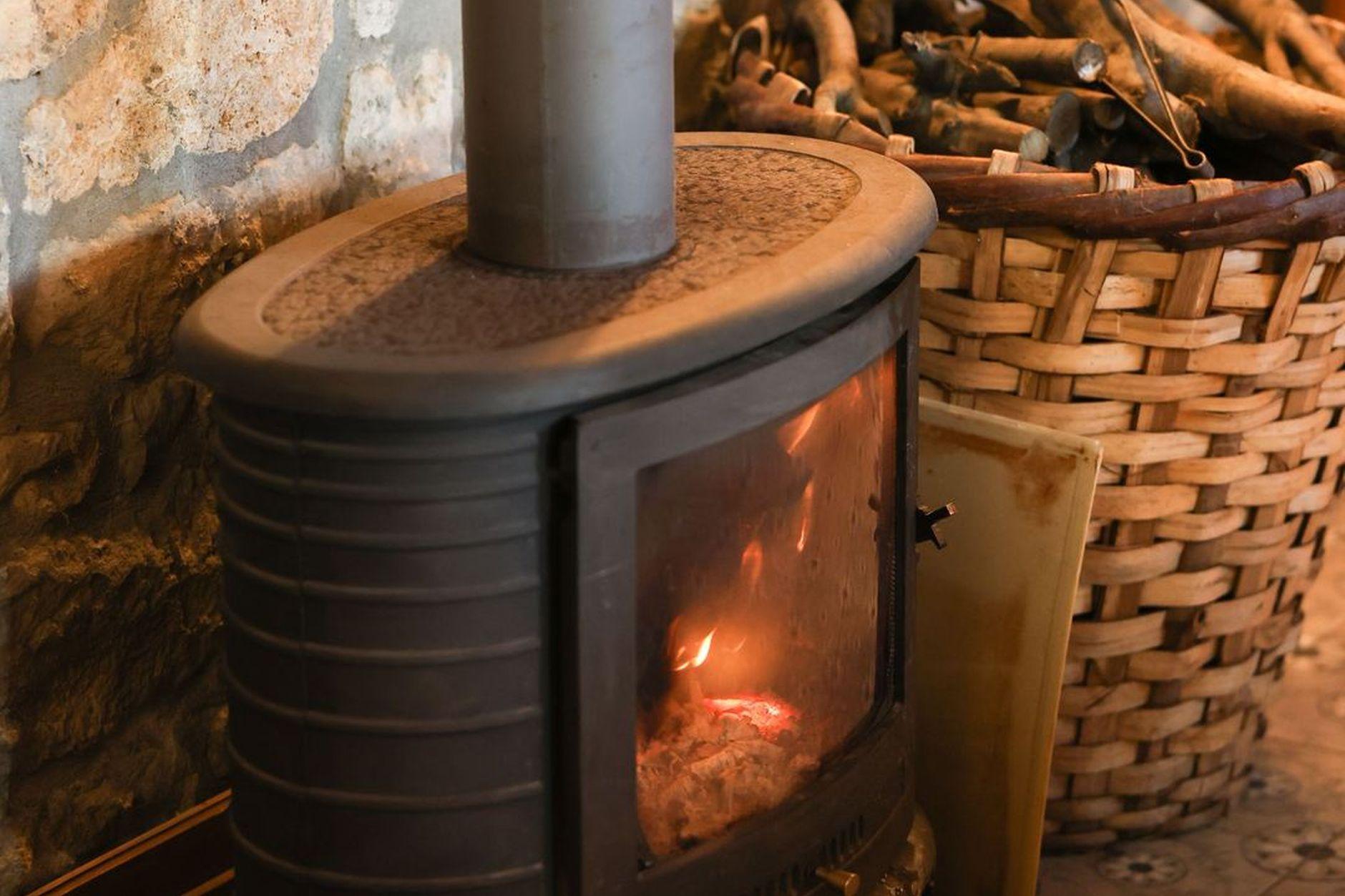
- A new appliance. An insert, a wood stove or a gas unit is listed for a specific flue size. NFPA 211 expects a Level 2 before the new appliance is connected, and the listing almost always calls for a full-length liner matched to its outlet.
- A chimney fire. Even a short, quiet fire can crack tile from the inside. Afterward, the camera decides whether the flue can be used again.
- No liner at all. Some older chimneys, particularly in Pomona's older neighborhoods, were built with bare brick flues. The standard expects a liner, and the only practical way to add one to an existing chimney is from the top.
Stainless, cast-in-place or new tile
Three kinds of liner can bring a flue back in line with the code. Stainless steel is the usual choice for inserts and stoves, because it is sized to the appliance and goes in from the roof without opening walls. Cast-in-place liners form a new inner shell inside the old flue, which can also add strength to a tired chimney. New clay tile is possible but generally means taking the chimney apart, so it suits a rebuild better than a stand-alone repair.
The right pick depends on what the chimney will serve, the shape of the old flue and how much room is left inside it. A narrow flue may not take a liner large enough for a big open fireplace, and that often shifts the conversation toward an insert, which needs a smaller flue to run well.
What decides the cost of a liner job
Liners carry no published price on this site; each one is measured before we put a number on paper. These factors set it:
- Length. One-story ranch stacks take a short run. Two-story chimneys and tall hillside stacks can double it.
- Diameter and shape. The appliance outlet sets the size; an oval or rectangular flue may need an oval liner to fit.
- Insulation. Where the masonry sits close to framing, the liner needs an insulating wrap to meet clearance rules.
- Obstacles. A damper frame or smoke shelf in the path has to be cut back or removed before the liner fits through.
- The top of the chimney. The liner ends in a top plate and cap, so the crown has to be sound enough to carry them.
Book the Level 2 camera visit that a liner proposal is written from, and say what the fireplace will burn once it is relined.
Why the camera comes before the proposal
A liner is a long, mostly hidden purchase, so the evidence for it matters. The Level 2 recording shows the reason in pictures: the split tile, the open joint, the bare brick. Those stills go into your file next to the proposal, which means anyone who later questions the work can see why it was done. A liner sold without that footage asks you to take the need on trust, and the next inspector will not.
Liners and the paperwork that follows
After a relining job you keep the liner maker's details, the length and diameter installed, the insulation used, and photos of the top and the connection at the bottom. A future buyer's inspector will look for exactly that. So will an insurer after any claim involving the fireplace. For a gas insert, the city may also inspect the venting if a permit was involved; our insert permit post covers that part.
A record like this also helps with the next yearly visit. When the technician knows the liner type and size, the Level 1 check can confirm nothing has changed instead of starting from scratch.
Factory-built chimneys are a different case
Many 1970s and 1980s tracts around San Dimas, Glendora and Baldwin Park have factory-built fireplaces, where a metal pipe inside a wood chase serves as the flue. There is no separate liner to add; the pipe itself is the liner, and it is part of the listed system. If sections are damaged, the fix is replacement parts listed for that make, not a generic stainless liner dropped inside. We read the label on the firebox to find the make before we write anything.
Liners in the cities around us
The same reasoning holds in Glendora, Pomona and Baldwin Park. What changes is the housing stock: older brick in parts of Pomona, taller stacks in the Glendora foothills, short single-story runs in Baldwin Park. The service page is chimney liner installation, and structural problems found along the way are covered on our up to code repairs page.
When you want the flue measured against the standard, go to the contact page and mention which appliance you have in mind for it.
Want the Rule Read for Your Chimney?
Stafford Chimney Company inspects against NFPA 211, prices repairs on paper and handles city permits for inserts and rebuilds. Requests come in from San Dimas, Glendora, Pomona, Baldwin Park and the rest of our coverage through the contact form.