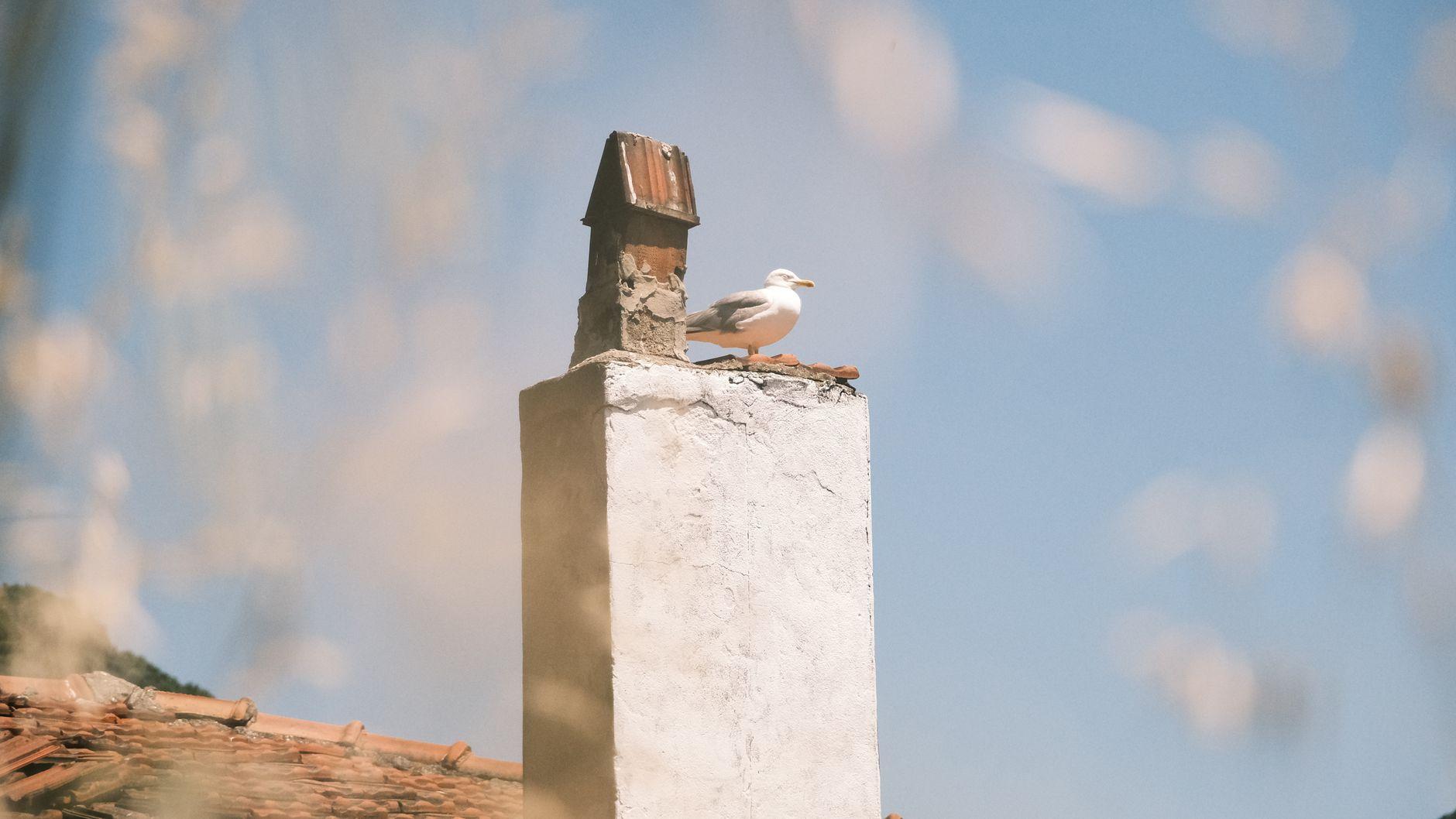
Why the top of a foothill chimney gets looked at first
San Dimas runs right up against the San Gabriel foothills, and every fall the Santa Ana winds push dry air down those canyons toward the houses. A wood-burning chimney with nothing over its outlet can throw a live ember onto a shake roof, a palm or the brush behind the back fence. That is why fire officials, insurers and home inspectors all study the top of the chimney before anything else.
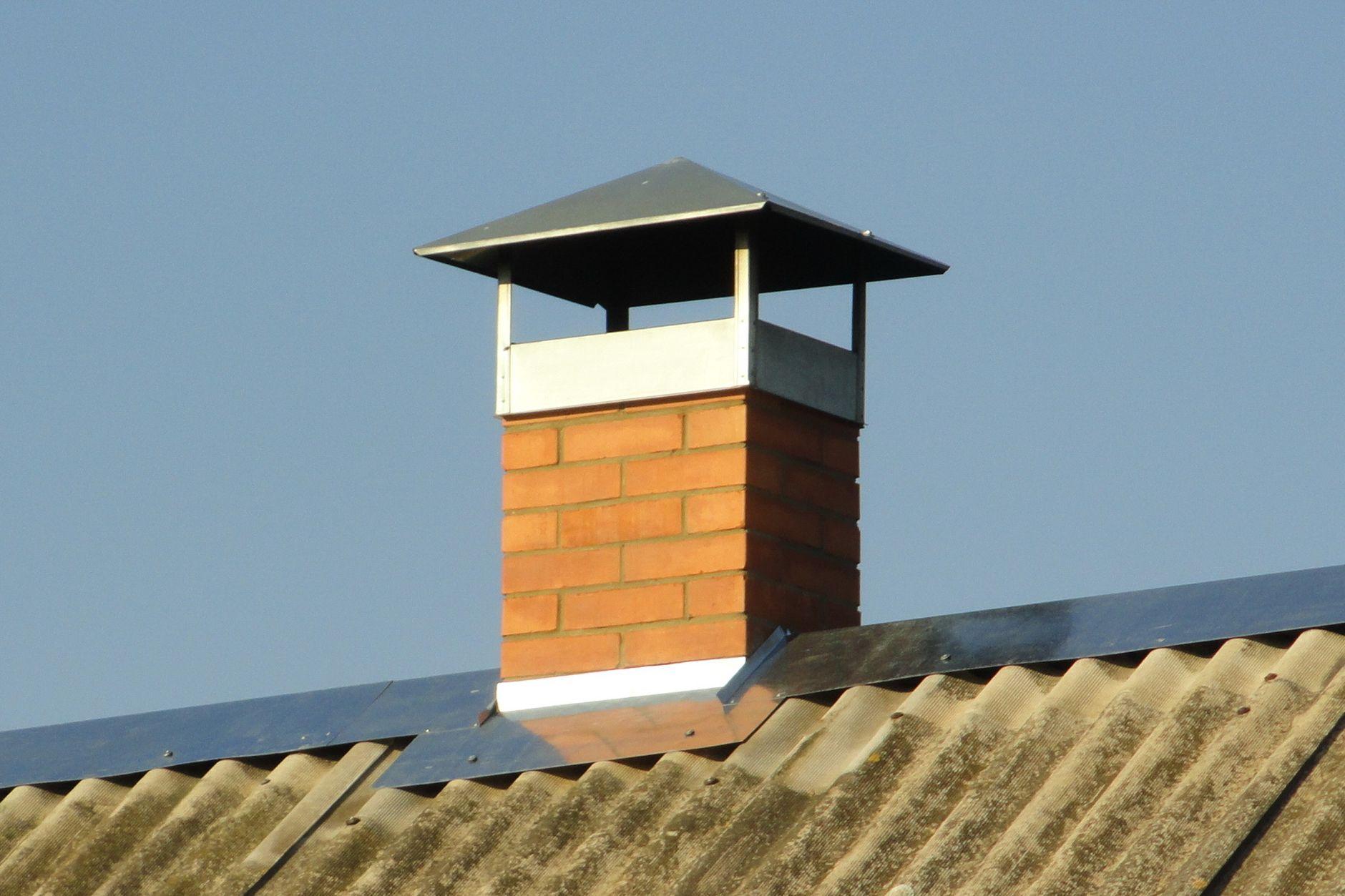
The rule behind it is plain. California's fire rules for wildland areas, and many local codes, expect a spark arrestor screen over the outlet of any chimney that burns solid fuel. The residential building code adds that the screen must not choke the draft: its open area has to be at least four times the area of the flue below it. Put together, a cap here has two jobs that pull in opposite directions, catching embers while letting exhaust leave freely, and the way a given cap balances them is most of what you pay for.
What decides the price of a cap
Our installed caps are quoted after we measure the flue. Prices differ because the word cap covers very different pieces of metal. These are the points that set your price:
- Number of flues. A single clay tile takes a small cap that clamps to it. Two or three tiles side by side usually need one cover that spans the whole crown.
- Shape of the tile. Round and square tiles take stock sizes. Long rectangular tiles on older San Dimas ranch houses often need a cap built to measure.
- Metal. Galvanized steel rusts within a few winters of rain and sprinkler spray. Stainless lasts far longer. Copper costs the most and is chosen for looks.
- Factory-built chimneys. A metal chimney from a prefab fireplace needs a top made by the same maker, or one listed for that system. Anything else can void the listing.
- Condition under the cap. A cracked crown has to be dealt with first. Fastening new metal to a broken slab wastes the cap.
- Roof access. Steep tile, two-story walls and tight side yards add setup time.
Single-flue stainless caps on a sound crown are the simplest job. Custom multi-flue covers and copper work cost more.
If you want a figure for your own chimney, tell us how many flues come out of the top and what the roof is made of. We arrange a roof visit, measure each tile and put the price on paper before any metal is ordered.
What an inspector checks up there
When a buyer's inspector, an insurer's field agent or a Stafford technician stands at the top of your chimney, the list is short and specific:
- Is a screen present, and is it intact all the way around?
- Is the mesh clogged with soot or leaves, which slows the draft and pushes smoke back into the room?
- Is the cap fastened so a Santa Ana gust cannot lift it off?
- Does the hood sit high enough above the tile that exhaust is not trapped under it?
- On a gas appliance, is the termination the one the maker lists?
A cap that fails any of these shows up on the report as a correction. The fix is often a new cap rather than a patch, because bent mesh and rusted fasteners rarely survive another windy season.
Caps, inspections and the order of work
We rarely fit a cap without looking under it. A Level 1 inspection, $56 on this site, is enough when the chimney is in regular use and nothing about it has changed. If the house is being sold, an insert is going in, or the chimney took a hit in a quake, NFPA 211 moves the job up to a Level 2 with a camera through the flue, which is $405. The camera tells us whether the tile at the top is sound enough to clamp to, and whether the flue needs a liner before a cap is worth the money.
Order matters for your budget too. A cap clamped to a cracked tile, or bolted to a crown already letting water through, will have to come off again when the real repair happens. Our up to code repair page lays out the structural items we handle before any trim goes on.
Cap jobs on houses around San Dimas
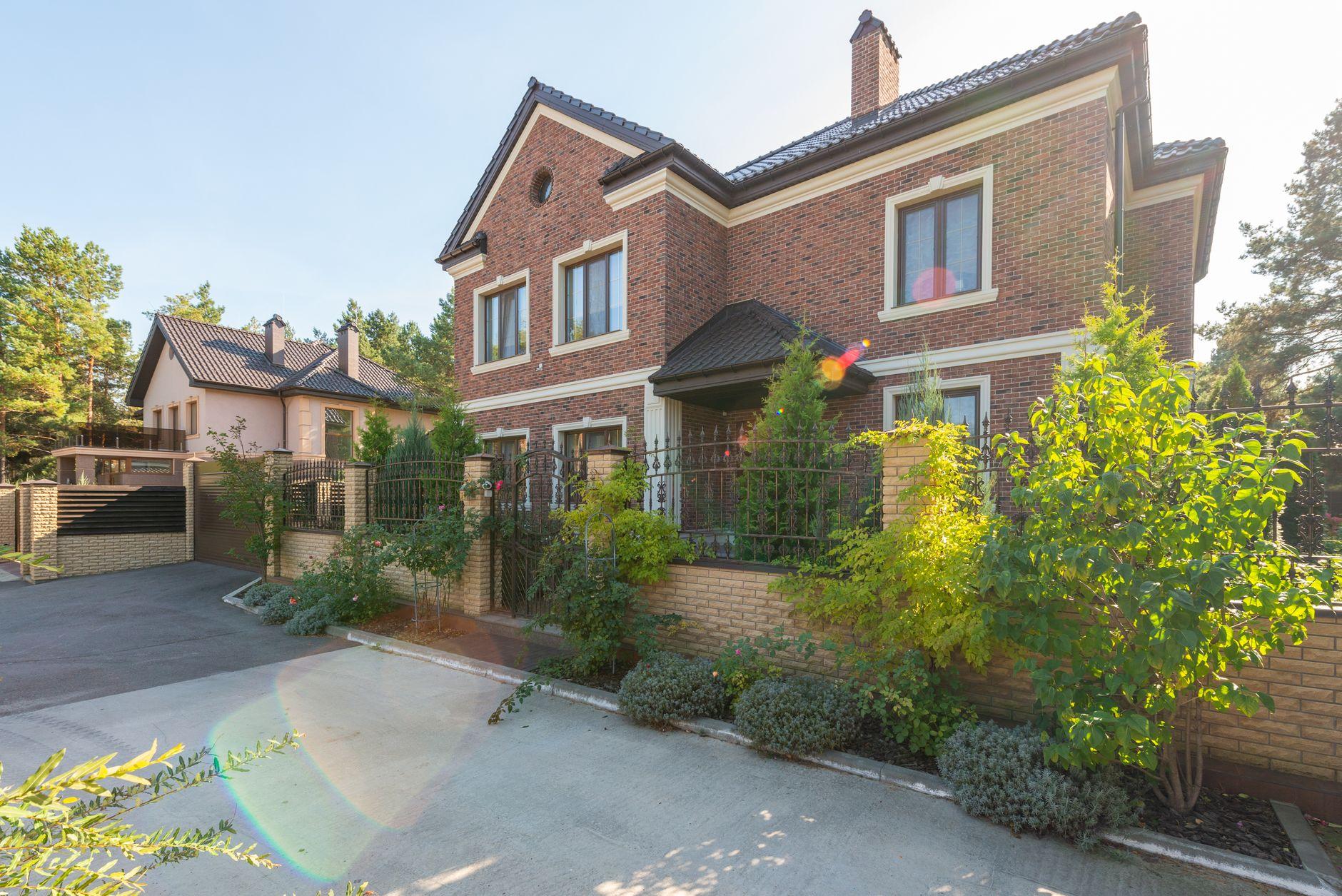
Housing here mixes 1950s and 1960s ranch homes, tract houses from the 1970s and 1980s with factory-built fireboxes, and newer homes up in the hills. Each brings its own cap question. The ranch houses often have a single brick stack with one or two clay tiles. The tract houses often have a metal chimney inside a wood chase, where the cap is part of a listed system and has to match it. The hillside homes sit closest to the brush, so their screens get the hardest look from insurers.
We do the same work in Glendora, La Verne, Pomona and Baldwin Park. Fire risk eases a little on the valley floor, but the spark screen expectation does not change from one street to the next, and a home inspector in Baldwin Park will note a missing screen just as quickly as one in the foothills.
What you get when the cap is done
Your paperwork lists the cap model or the custom dimensions, the metal, the way it is fastened, and photos of the finished top from more than one side. If you are selling, the photos go to whoever you name. If an insurer has asked for proof of a spark arrestor, that sheet is what you hand over, and it carries the date and the address on every page so nobody has to ask which house it shows.
If you are thinking about closing the fireplace with an insert at the same visit, read Insert Permits in San Dimas next. The cap service itself is described on our chimney cap installation page.
For a measured price on the top of your chimney, head to our contact page with the address and what the roof is covered with.
Want the Rule Read for Your Chimney?
Stafford Chimney Company inspects against NFPA 211, prices repairs on paper and handles city permits for inserts and rebuilds. Requests come in from San Dimas, Glendora, Pomona, Baldwin Park and the rest of our coverage through the contact form.