The question behind every insert price
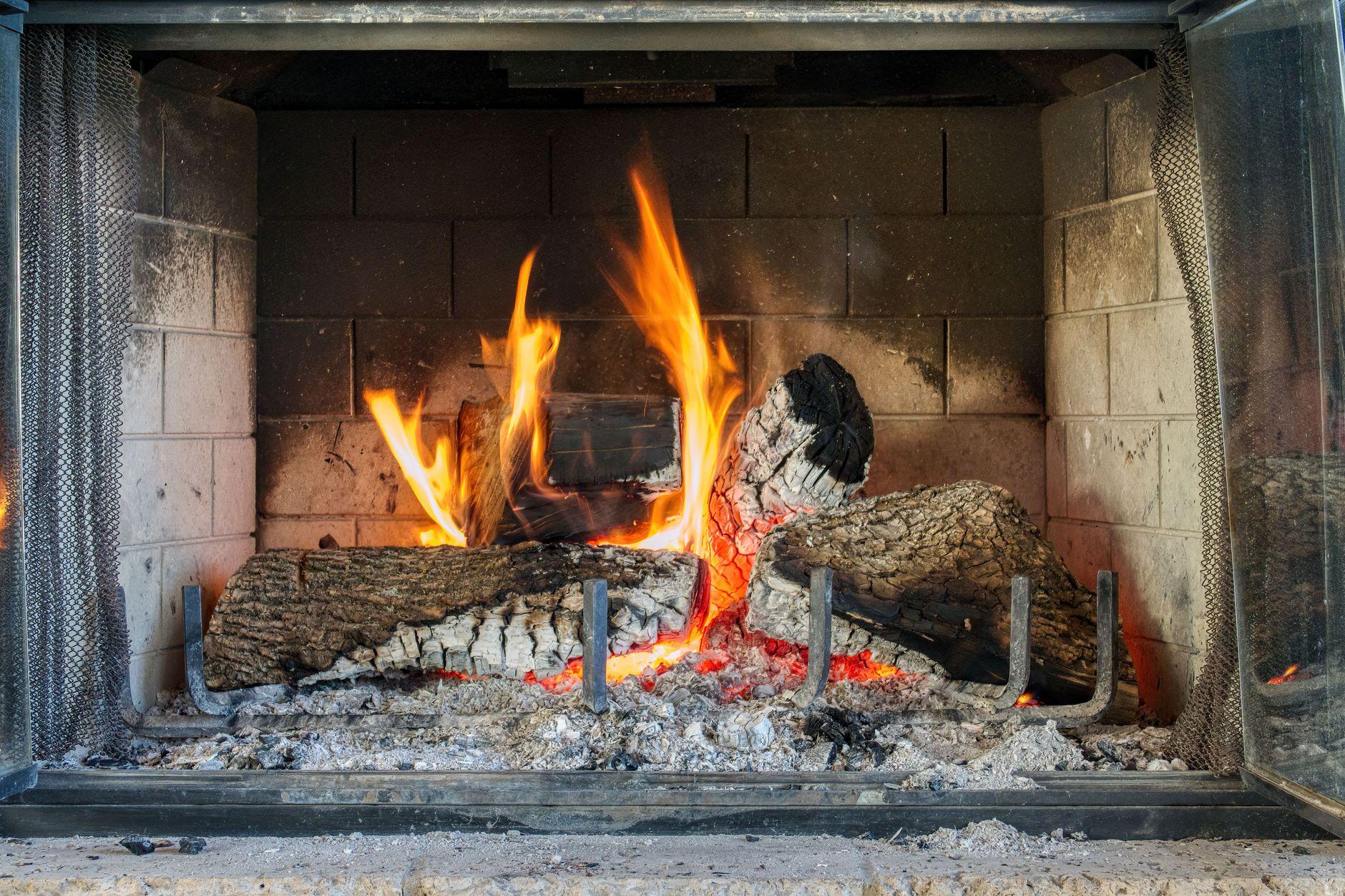
An insert turns an open fireplace into a closed heater: a steel or cast iron box with a glass door, slid into the old firebox and vented up the chimney. Because it changes how the fireplace burns and how the exhaust leaves, it also changes which rules apply. Most calls we get from San Dimas about inserts start with price and end up on a different question: does this need a permit, and what has to be true about the chimney before the city signs off?
The short version is that a gas insert usually involves a gas line and a venting change, and cities in this part of Los Angeles County generally treat that as permitted work. The building department has the final word for your address. Our written proposal states whether a permit applies and builds the city inspection into the schedule when it does.
Three sets of rules meet at an insert
The maker's listing. Every insert is tested and listed for a particular installation. Its manual spells out clearances to the mantel and trim, the size of the hearth in front, and exactly how the unit is vented. An installer who departs from the manual departs from the listing, and inspectors and insurers both read manuals.
NFPA 211. The standard expects the insert to connect to the flue so exhaust does not spill into the old smoke chamber and cool there. In practice almost every manufacturer calls for a full-length liner from the insert collar to the top of the chimney. The standard also expects a Level 2 inspection before a new appliance is connected, because a camera is the only way to confirm the flue can handle the job.
Air quality rules. Wood fires in San Dimas answer to the South Coast AQMD. Its Rule 445 allows no-burn declarations for wood between November and February. Gas units fall outside those curtailments, which is one reason so many owners here choose gas.
Gas or wood, and why it matters for the paperwork
A gas insert needs a gas supply at the fireplace, a vent kit that usually carries outside air down and exhaust up in two lines, and a sealed firebox with a glass front. The permit side covers the gas connection and the venting.
A wood insert needs a stainless liner sized to its outlet, often wrapped in insulation where the old chimney sits tight to framing, plus a spark screen at the top. It burns far cleaner than an open fireplace, but it is still wood, so Rule 445 no-burn days still apply to it.
What decides the price
On this site an installed gas insert runs $2,900 to $5,800. Where your job falls depends on:
- Size of the firebox. Larger openings take larger units and wider surround panels.
- Gas supply. A fireplace that already has a gas key is simpler than one where a new line has to come from the meter or a nearby branch.
- Liner length. A two-story chimney takes twice the liner of a single-story ranch stack.
- The unit you choose. Heat output, remote and thermostat controls and trim style all move the figure.
- What the Level 2 finds. A cracked smoke chamber or a damper frame blocking the liner path adds work before the insert can go in.
The Level 2 camera inspection itself is $405 and comes first, because the insert proposal is written against what the camera recorded.
Ask us to set up the pre-insert camera visit, and mention whether the fireplace has a gas key today. The insert proposal follows from what the flue shows.
When an insert is the wrong answer
Some fireplaces around San Dimas are factory-built metal boxes from the 1970s and 1980s. Many of those were never listed to accept an insert. The honest options there are a full replacement with a unit designed for that space, or gas logs where the maker allows them. We say which applies after reading the label inside the firebox.
Others have a masonry chimney with loose brick above the roof. An insert does nothing for structure. The stack gets repaired first, then the insert goes in. Our post on rebuild or repair permits covers that side of the decision.
What a city inspector looks at on the day
When the city sends someone out for a gas insert, the visit is usually short and focused: the gas connection and shutoff, the vent and where it ends at the top, the clearances printed in the manual, and the label on the unit. Having the manual on site and the top of the liner visible makes the visit straightforward. We leave the manual with the homeowner for the same reason; the next buyer's inspector will ask for it, and so will an insurer after any claim that involves the fireplace.
Inserts across the east San Gabriel Valley
The same rules hold in Glendora, Pomona and Baldwin Park, all inside the South Coast AQMD. What changes is the housing. Pomona's older neighborhoods have many brick chimneys from the 1920s through the 1950s, with tall stacks and clay tile that often need a liner regardless. Glendora's foothill homes add the spark screen question at the top. Baldwin Park has plenty of single-story tract homes where the run of liner is short and the main variable is the gas line. The service itself is set out on our fireplace inserts page.
What you get in writing
The proposal lists the unit, the liner size and length, the gas work, whether a permit is involved, the clearances we will hold, and the price. After installation you receive photos of the liner top, the cap and the finished surround, plus the manual. That set is what a future buyer, insurer or city counter will want to see.
To start on an insert for your house, visit the contact page and say what the fireplace burns now and roughly how tall the chimney stands.
Want the Rule Read for Your Chimney?
Stafford Chimney Company inspects against NFPA 211, prices repairs on paper and handles city permits for inserts and rebuilds. Requests come in from San Dimas, Glendora, Pomona, Baldwin Park and the rest of our coverage through the contact form.